Republicans are delivering targeted reforms to lower premium costs for all Americans, expand access, and restore integrity to America’s health care system
WASHINGTON — This week, House Republicans are advancing the Lower Health Care Premiums for All Americans Act — a targeted package of reforms designed to lower premium costs for all Americans, expand access to affordable coverage, and increase transparency to drive down prices across the health care system.
While Democrats continue to push for additional COVID-era subsidies that funnel taxpayer dollars to large health insurance companies to hide the cost of Obamacare, this legislation delivers proven, measurable solutions for all Americans – not just some.
KEY REFORMS THAT LOWER COSTS AND EXPAND ACCESS
Lowers Premium Costs Through Cost-Sharing Reduction Payments
- Lowers premiums by at least 11%
- Stabilizes the individual market by appropriating CSR payments.
- Reduces out-of-pocket costs such as deductibles and copays.
- Reflects a policy previously supported by 196 House Democrats in 2017.
Brings Transparency and Reduces Hidden Drug Costs
- Requires pharmacy benefit managers to report:
- Drug spending
- Rebates
- Pricing
- Gives employers and employees visibility into cost drivers that raise premiums.
Expands Association Health Plans for Small Businesses and Independent Workers
- Restores the executive order by President Trump, which would:
- Enroll 3.7 million Americans.
- Cover 400,000 previously uninsured individuals.
Expands Coverage Choices and Strengthens Employer Flexibility
- Allows employees to use tax-free employer contributions to purchase the health plan that works best for them.
- Provides workers with flexible, portable coverage options.
- Protects small employers’ ability to offer affordable, customizable benefit plans.
THE UNAFFORDABLE CARE ACT MARKETPLACE: RISING COSTS AND STRUCTURAL FAILURES
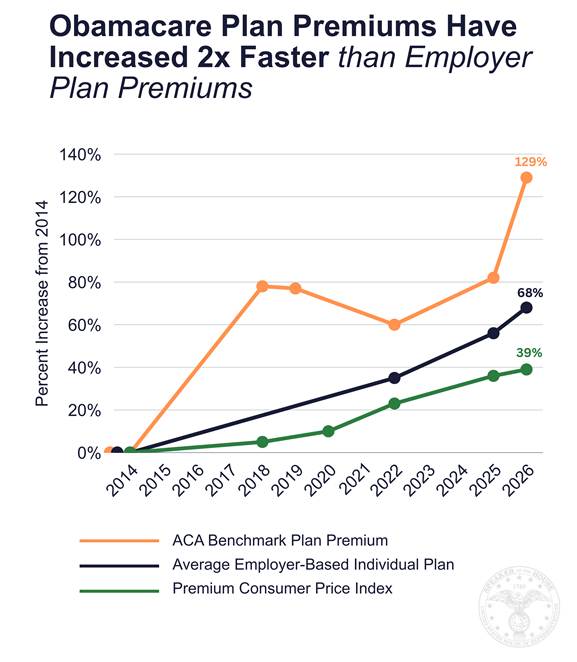
Premiums Have Risen Nearly Twice as Fast as Employer Coverage
- Premiums have increased at a rate more than three times higher than overall inflation as measured by the Consumer Price Index.
Surging Premiums Are Driving Higher Federal Subsidy Costs
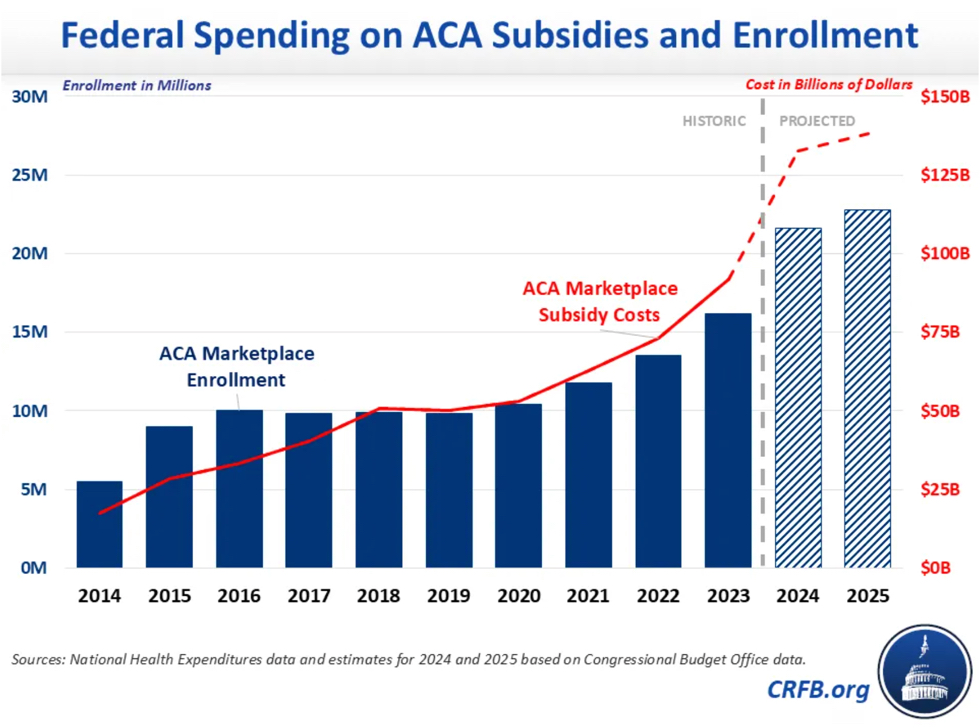
- Federal ACA subsidy costs grew from $18 billion in 2014 to $92 billion in 2023.
- Costs are projected to reach $138 billion in 2025 — an 8x increase.
The Cost of Extending the COVID-Biden-Era Subsidy Boost is Substantial
- Making the expansion permanent would cost $335 billion over ten years.
Zero-Claim Enrollment Has Surged — While Insurers Collect Billions
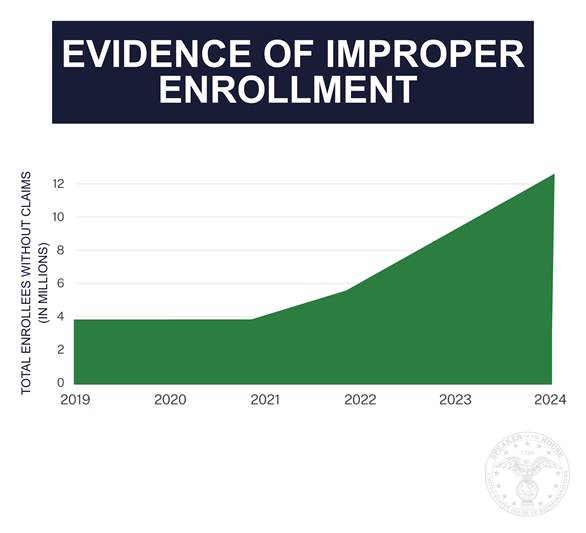
- Zero-claim enrollment more than tripled, rising from 3–4 million in 2021 to nearly 12 million by 2024.
- In 2024, about 35% of marketplace enrollees had zero claims, up from under 20% before subsidy expansions.
- Insurers received tens of billions in taxpayer subsidies for enrollees who received no care including $21 billion in 2023 alone.